The End of NIHR ARC West Midlands, 2009-2026
A look back at some of the things ARC WM have achieved over the years.

A look back at some of the things ARC WM have achieved over the years.

With funding for ARC WM coming to an end on 31 March 2026 this is the final edition of your News Blog. We hope that you have enjoyed reading our posts and thank you for your engagement. In this issue we look back at some of the work done by ARC WM over the years.
Reflection of ARC WM accomplishments relating to our Equality, Diversity and Inclusion strategy.
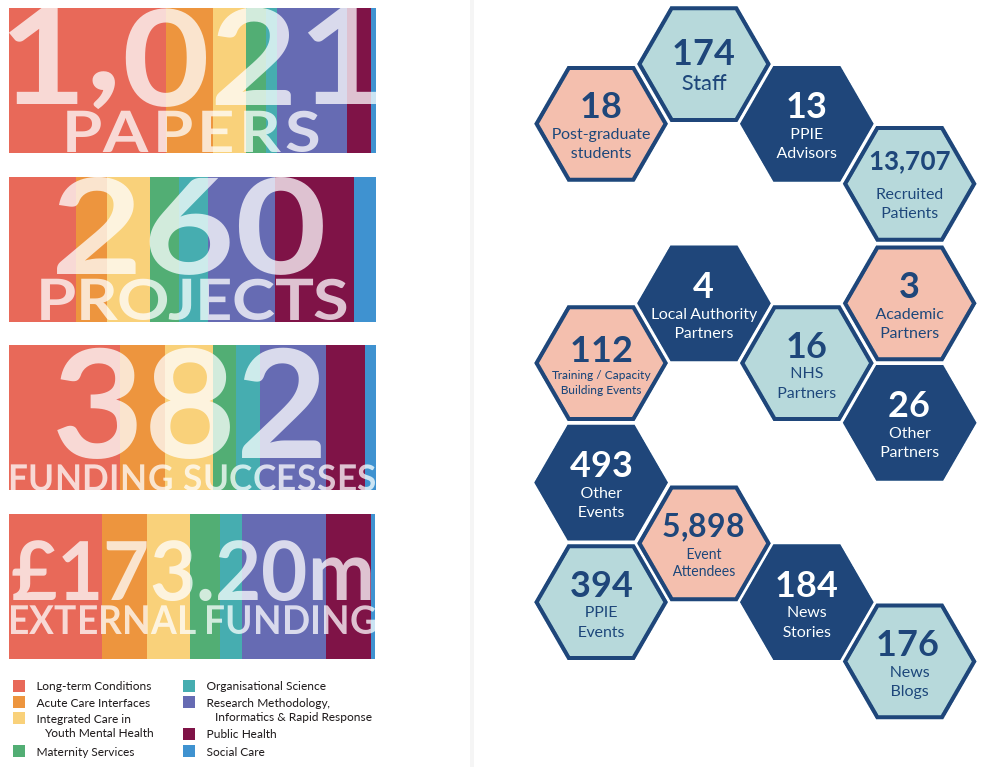
With the funding for NIHR ARC West Midlands coming to an end on 31 March 2026, we have produced this legacy document to highlight some of the many impacts our researchers have made on healthcare in the West Midlands and beyond.
Prof Richard Lilford looks at the extent to which hospital-at-home policies should be utilised.

ARC West Midlands was deeply saddened to learn of the death of Dr Mark Tompkins, who was awarded his PhD from the University of Birmingham in July 2025 for his research on Older People and Unpaid Carers’ Experiences of Hospital-at-Home.
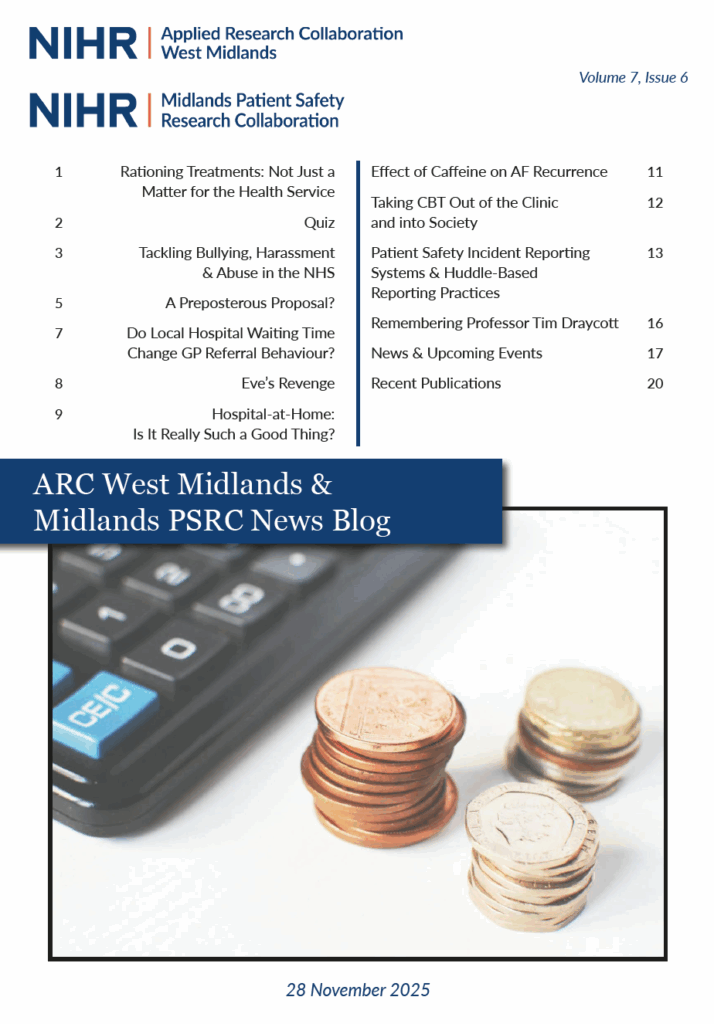
The November issue of your News Blog contains thoughts on rationing treatments and how it might not just be a matter for the health service.
Details of a recent report on the impact of rare kidney diseases in the UK.
ARC WM Director Richard Lilford presents an argument for changing the cost threshold for QALYs on the basis that the focus on only health and social care is too narrow.
This report looks into stakeholder perspectives of ‘Together We Can’ (a service that supports neighbours to work together to improve their community) to inform the next stage of their strategy and to provide a foundation for future research design. It provides insights in relation to the benefits for local people and agencies from TWC, and how the partnership is seen to achieve these outcomes.
That wealthy nations are healthier than less wealthy nations is supported by many studies. But can improving health improve wealth at a population level?
The October issue of your News Blog contains thoughts on the link between improving health leading to improving wealth at a population level.